Oklahoma nears sports betting approval as deal heads to vote, but veto risk remains
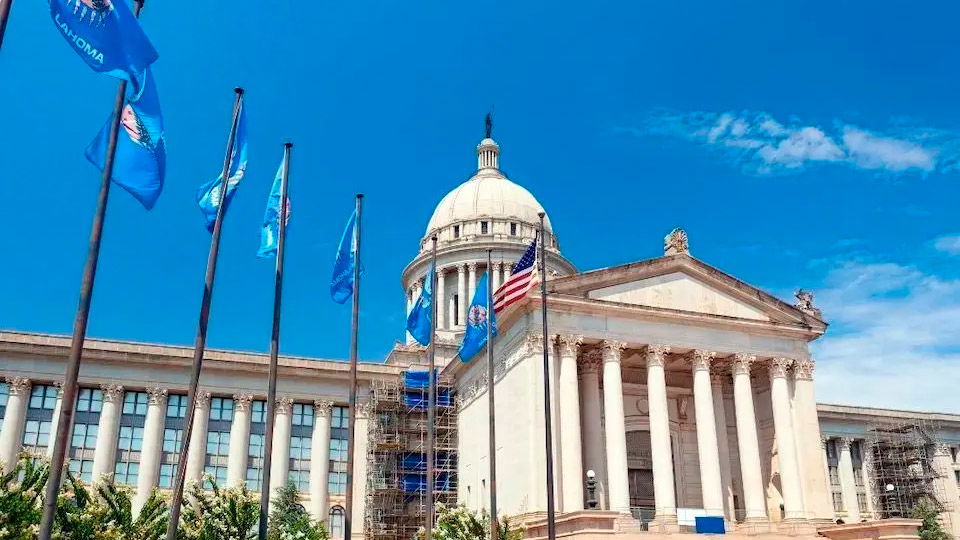
A proposal to legalize sports betting in Oklahoma is set to advance to legislative votes within days after lawmakers reached an agreement with tribal leaders and professional basketball stakeholders. However, the measure could face opposition in either chamber and a potential veto from the governor.
The plan would authorize in-person wagering at tribal casinos while establishing a framework for statewide mobile betting through an amendment to the existing gaming compact.
Tribal entities would retain exclusive rights to offer sports betting, and they would be permitted to negotiate with sportsbook platforms such as FanDuel and DraftKings. Prediction market platforms such as Kalshi and Polymarket would not be allowed to operate in the state under the proposal.
Sen. Bill Coleman and Rep. Ken Luttrell said the agreement followed extended negotiations involving lawmakers, tribal governments, the Oklahoma City Thunder, and public universities. The revised framework is included in House Bill 1047, which has been amended to reflect the negotiated terms and is expected to be considered by the full Senate shortly before returning to the House.
“This is a big day for Oklahoma,” Coleman said. “We’re closer than we’ve ever been to legalizing sports betting.”
Sen. Bill Coleman

He said the legislation follows years of negotiations and is designed to respect tribal partnerships while working with the Oklahoma City Thunder to establish a regulated system capable of competing with unregulated markets.
Coleman added that many residents are already betting through out-of-state or alternative platforms and said the proposal aims to protect consumers and ensure those revenues remain within Oklahoma.
The proposal outlines a revenue-sharing structure in which the state would receive 8% of sports betting proceeds through exclusivity fees. Funds tied to wagers on National Basketball Association and Women’s National Basketball Association games would be directed to the Strong Readers Fund to support early childhood literacy.
Revenues from other wagers would be allocated among Division I universities, student development initiatives, workforce programs, and a tourism-focused fund that would provide grants to the Thunder.
Additionally, the first $20,833.33 in monthly fees collected under the gaming compact would be transferred to the Oklahoma Department of Mental Health and Substance Abuse Services to address compulsive gambling.
The legislation, which builds on a version first advanced in 2025, is supported by the Oklahoma Indian Gaming Association. Chairman Matthew Morgan said most tribal nations in the group believe the “proposed legislation stays true to our guiding principles and puts forth a position that has broad tribal support and attempts to be inclusive of other sports betting stakeholders within parameters of the law.”
Rep. Ken Luttrell
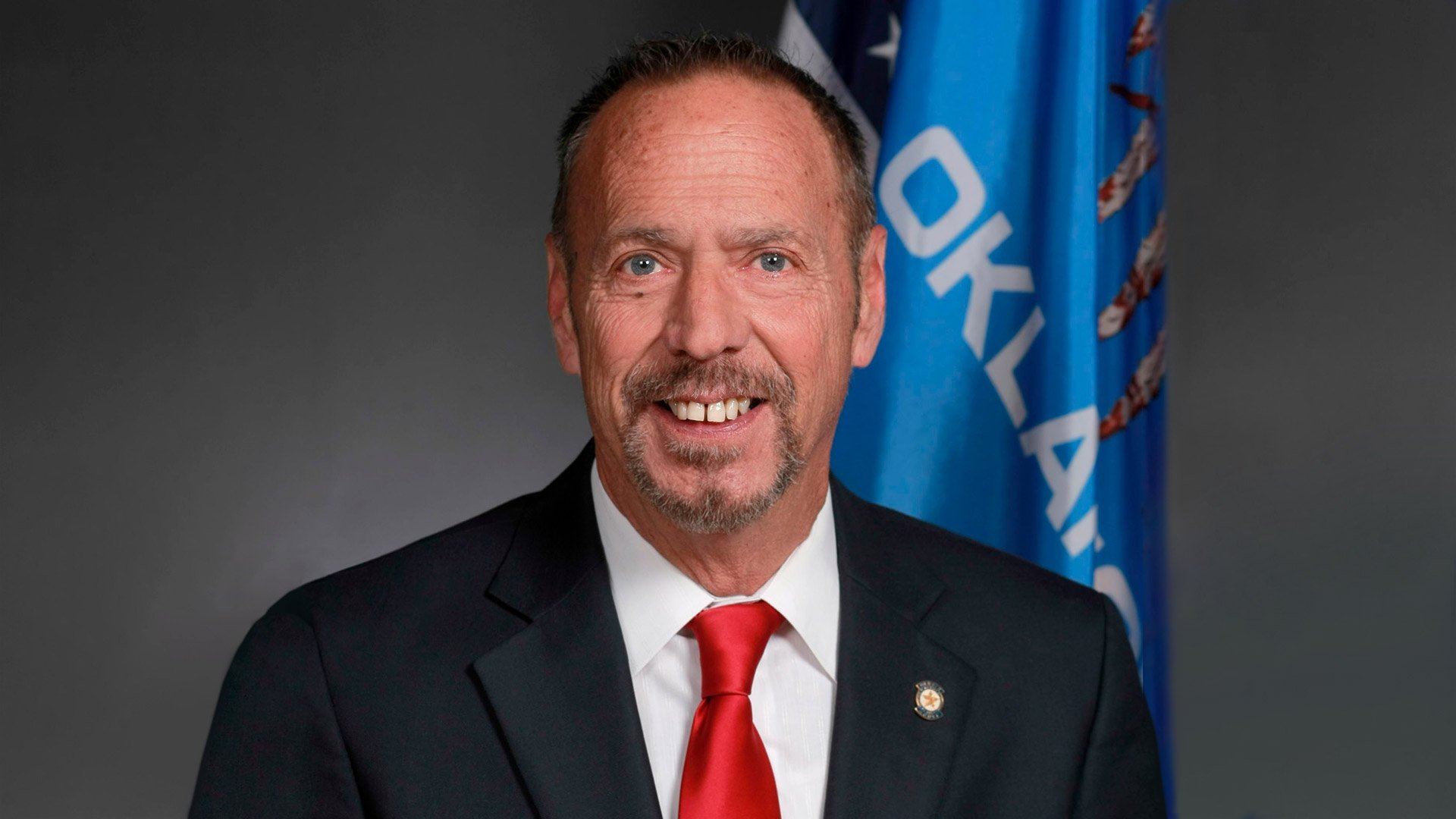
“This has been a long road in the making,” Luttrell said. He noted the process involved years of discussions with tribal partners and coordination with stakeholders such as the Oklahoma City Thunder to finalize the framework. “What we have now reflects that effort and gives Oklahoma a chance to finally bring this activity into a legal, regulated system.”
He added that the proposal is intended to retain betting revenues within the state, support the economy, protect consumers, and contribute to essential public services, noting that the plan is based on extensive input and deliberation.
Despite the agreement, the measure faces uncertainty as it moves through the legislative process. Gov. Kevin Stitt has previously indicated he would oppose any proposal that grants exclusive benefits to tribal entities.
A spokesperson for the governor, Tevis Hillis, said he is not interested in expanding the current state-tribal gaming compact, describing it as a “bad gaming compact that lacks transparency and fair market rates.”
If enacted, Oklahoma would become the 39th state to legalize sports betting, joining 38 states and Washington, D.C. where such wagering is already permitted.
Lawmakers have indicated they are prepared to attempt a veto override if necessary, which would require a two-thirds majority in both chambers. However, legislative support remains uncertain. Caroline Estes, a spokesperson for House Speaker Kyle Hilbert, said it's too early to determine whether Hilbert would support overriding a potential veto.
Three US senators introduce bipartisan bill to define prediction markets as gambling
MGM Resorts sells Ohio's Northfield Park operations to Clairvest Group for $546 million

GLI gathers nearly 300 regulators for 26th Annual Regulators Roundtable


Nigel Eccles' BetHog raises $10 million, launches AI dealer platform for casino operators

SOFTSWISS enters third year of collaboration with Rubens Barrichello

BMM Testlabs’ Marzia Turrini wins Best Executive Leadership category at 2026 Italian Gaming Awards
GLI gathers nearly 300 regulators for 26th Annual Regulators Roundtable


Altenar to spotlight sportsbook strategy gap at SiGMA South America

How Algotech combines algorithmic pricing and trading services to support sports betting operations


Gaming in Holland Conference 2026 unveils speaker lineup


BetMGM to host $4 million Poker Championship at ARIA Resort in Las Vegas